

How to get started in carrot farming in Kenya. A step by step guide for beginners and smallholder farmers carrots (Daucus carota) are a high-value, nutritious root crop with strong demand in Kenyan markets like Nairobi, Nakuru, Eldoret, and Mombasa. They are versatile for fresh sales, juicing, and cooking. With good management, carrots can be profitable even on small plots, offering yields of 10–20 tons per acre depending on the variety and practices. This cool-season crop thrives in Kenya’s highland and mid-altitude areas (500–1,500 meters above sea level).
Why Grow Carrots in Kenya?
- Steady market demand year-round.
- Relatively short growing cycle (3–4 months).
- Suitable for backyard gardens, raised beds, or small commercial plots.
- Good returns when sold at peak prices (often KSh 30–80 per kg depending on season and location).
Climate and Site Selection
Carrots prefer cool temperatures of 15–22°C for sweet, well-colored roots. Higher temperatures (above 25–30°C) can cause bitter or woody roots and poor color. In Kenya, ideal growing regions include:
- Central Kenya (Nyeri, Kiambu, Murang’a)
- Rift Valley (Nakuru, Naivasha, Eldoret)
- Parts of Western and Eastern highlands
You can plant almost year-round in cooler areas like Nairobi, but the best seasons are March–April (long rains) and August–September (short rains) to avoid extreme heat or waterlogging.Soil RequirementsCarrots need deep, loose, well-drained sandy loam or loamy soil free of stones, rocks, or heavy clay. Compacted or stony soil leads to forked, stunted, or misshapen roots.
Preparation tips:
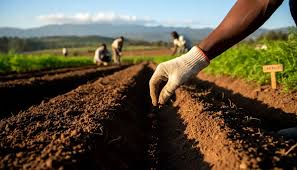
- Plough or dig to at least 25–30 cm deep and work the soil to a fine tilth.
- Remove all stones, weeds, and debris.
- Incorporate well-decomposed organic manure (10–20 tons per acre) at least 2–4 weeks before planting. Avoid fresh manure — it causes hairy or forked roots.
- Ideal soil pH: 6.0–6.8.
- If your soil is heavy clay or poorly drained, use raised beds (1 meter wide, 20–30 cm high) or containers for backyard growing.
Recommended Carrot Varieties for Kenya
Choose varieties suited to your altitude and market needs:
- Nantes (most popular): Cylindrical, sweet, deep orange, uniform roots. Good for fresh market. Matures in 90–120 days. Yield potential: 18–23 tons/ha.
- Chantenay: Shorter, thicker, conical roots with excellent storage life. Better for transport and heavier soils.
- Kuroda Improved / Super Kuroda: Thick roots, deep orange color, good heat tolerance.
- Oxheart: Short, thick roots — ideal for heavy soils or containers.
- Other options: Amsterdam Forcing (early), Samson (powdery mildew resistant), Sherekea, or Kenya Mpya.
Buy certified seeds from reputable agro-vets to ensure high germination.
Planting Guide
Carrots are always direct-seeded (they do not transplant well because of their taproot).
- Seed rate: About 1.5–2 kg per acre (or 4 kg/ha).
- Spacing: Rows 25–30 cm apart. Sow seeds thinly in drills. After thinning, maintain 5–7 cm between plants.
- Depth: Sow 0.5–1 cm deep. Mix seeds with fine sand or dry soil (1:4 ratio) for even distribution and to prevent crusting.
- Planting time: When soil temperature is above 10–15°C. For continuous harvest, sow every 2–3 weeks.
Tip for beginners
Cover beds with light mulch or shade net immediately after sowing to retain moisture and prevent soil crusting until germination (7–14 days).
Thinning and Weeding
Thin seedlings when they are 5–7 cm tall to avoid overcrowding, which causes small or deformed roots. Weed regularly — carrots hate competition, especially in the first 6–8 weeks.
Shallow cultivation or hand weeding is best to avoid damaging shallow roots.
Watering
Provide consistent moisture — irregular watering causes cracking, splitting, or woody roots. Aim for 25–50 mm of water per week (deep but infrequent).
Mulch with dry grass or straw to conserve moisture and suppress weeds.
Avoid water logging.
Fertilizer Application
Carrots are light feeders but respond well to balanced nutrition.
- Basal: Apply DAP or NPK (e.g., 175–250 kg/ha) at planting.
- Top dressing: Light nitrogen (urea) applications at 3–6 weeks after sowing to promote leaf and root growth.
- Use soil testing where possible. Excess nitrogen leads to too much foliage and poor roots.
Organic option: Well-rotted manure + foliar feeds with seaweed or vermicompost tea.
Common Pests and Diseases in Kenya + ControlPests:
- Cutworms (cut young plants at base) → Hand-pick at night or use neem-based products.
- Aphids, leaf miners, and carrot flies → Use neem oil, insecticidal soap, or approved insecticides. Reflective mulches help deter some.
- Nematodes → Practice crop rotation and use clean soil.
Diseases:
- Powdery mildew, Alternaria leaf blight, bacterial blight → Use resistant varieties (e.g., Samson) and avoid overhead watering. Ensure good air circulation.
- Root rots (from waterlogging) → Improve drainage.
General tips:
Rotate carrots with non-related crops (e.g., maize, legumes) for 2–3 years. Practice field hygiene and use certified seeds.
Harvesting
Carrots are ready 3–4 months after sowing (90–120 days), when roots reach 2–3 cm in diameter at the shoulder and have good color.
- Irrigate lightly a day before harvesting.
- Loosen soil with a fork and pull gently by the tops.
- Harvest in the cool part of the day to maintain quality.
- Cut tops immediately after harvest (leave 1–2 cm stub) to prevent moisture loss.
Yields
Good management can give 10–20+ tons per acre.
Post-Harvest Handling and Marketing
- Wash gently in clean water, sort by size, and remove damaged roots.
- Bunch with tops for local markets or sell without tops for supermarkets/export.
- Store in a cool, humid place (0–4°C ideal) or sell quickly.
- Main markets: Local markets, Nairobi wholesale (Wakulima, Marikiti), supermarkets, and exporters.
Tip: Join farmer groups or cooperatives for better bargaining power and access to reliable buyers.Profitability Tips for Kenyan FarmersCarrot farming can be rewarding, but success depends on:
- Soil preparation and consistent watering.
- Timely thinning and weeding.
- Choosing the right variety for your area.
- Accessing good seeds and linking with markets early.
Start small (e.g., 1/8 or 1/4 acre) to learn, then scale up.
Many smallholder farmers in Kenya earn good income from carrots during off-seasons when prices rise.
Ready to start carrot farming? Visit your local agrovet for quality Nantes or Kuroda seeds, prepare your soil well, and plant at the right time. With patience and good practices, you can turn your backyard or small plot into a profitable carrot venture.
For more farming resources, market prices, or buyer connections in Kenya, check platforms like Agrispark.co.ke — your go-to hub for practical agronomic advice and agribusiness opportunities.
Happy farming!  If you follow these steps, you’ll be harvesting sweet, marketable carrots in no time. Start today and grow your income with carrots.
Conclusion
Carrot farming in Kenya offers smallholder farmers and backyard gardeners an excellent opportunity to boost their income while producing a highly nutritious and in-demand crop. With its relatively short growing cycle of 3–4 months, good market prices, and adaptability to raised beds or small plots, carrots can become a reliable source of steady revenue when grown with care.
Success in carrot farming comes down to three key things: proper soil preparation, consistent moisture, and timely management of weeds and pests. Choose the right variety for your area — such as Nantes, Kuroda, or Chantenay — prepare your land thoroughly, and maintain good agronomic practices from planting to harvest.
Whether you’re starting on a quarter-acre or in a few raised beds at home, the potential for profit is real.Start small, learn from each season, and gradually scale up.
Many Kenyan farmers are already earning good returns from carrots by supplying local markets, supermarkets, and even exporters.Ready to begin your carrot farming journey? Prepare your land, get quality seeds from a trusted agrovet, and plant at the right time.
With dedication and the tips shared in this guide, you too can harvest sweet, marketable carrots and grow your agribusiness successfully.For more practical farming tips, current market prices, and connections to reliable buyers, visit Agrispark.co.ke — empowering Kenyan farmers with knowledge and opportunities.Happy farming, and may your carrots be straight, sweet, and profitable!