

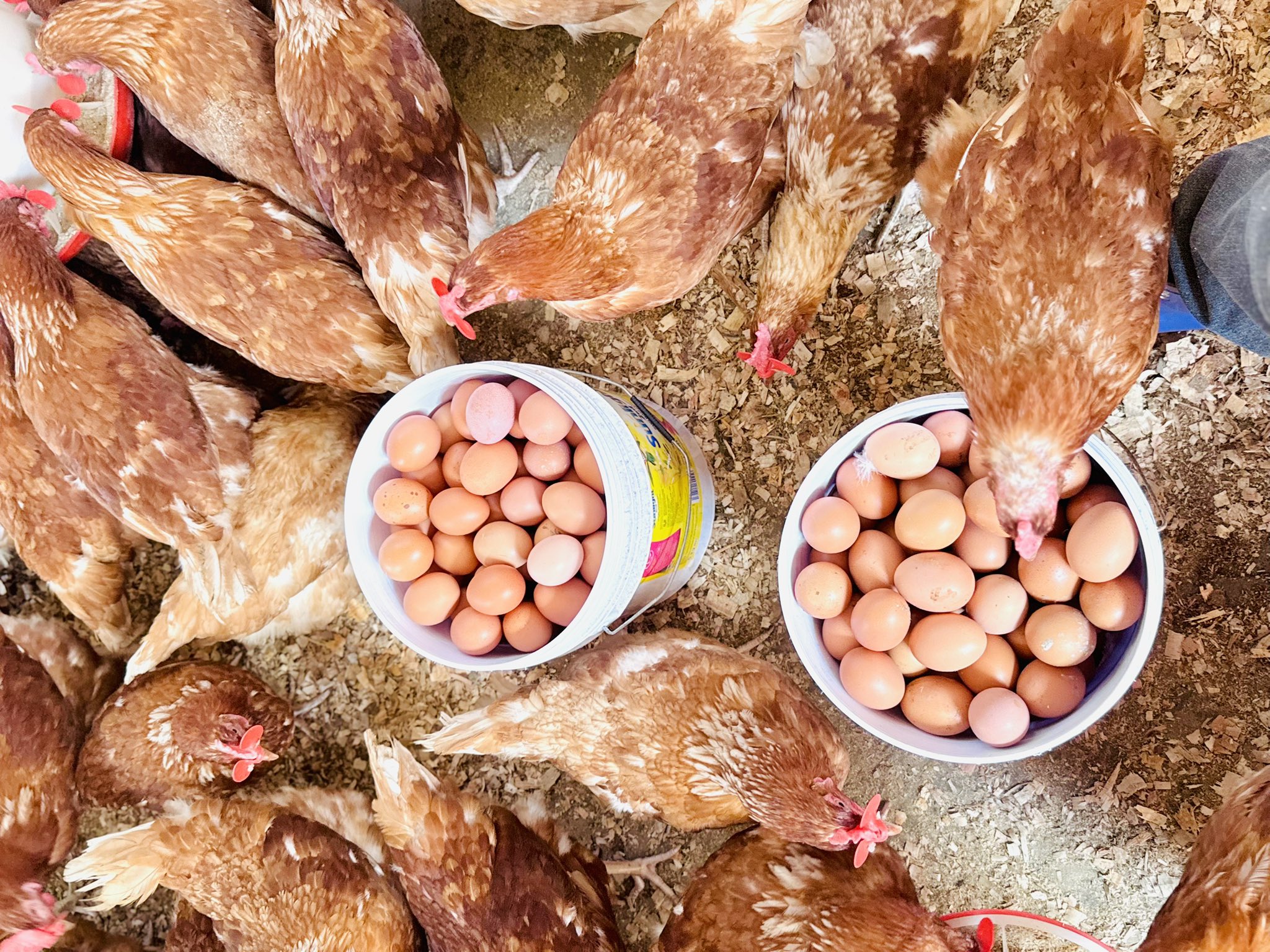
Starting layers poultry farming as a young farmer. A few days ago I was going through my email inbox and came across the question of how to get started in layers farming as a novice farmer with university students as a target market for her eggs. Starting a layers farm to produce and sell fresh eggs is one of the smartest agribusiness choices you can make right now. University students represent a large, steady, and reliable market they need affordable, nutritious eggs for their daily meals, hostels, and snacks. With good planning and management, layers farming can provide you with consistent monthly income and a chance to build a profitable business from the ground up.
However, before investing your time and savings, it’s important to understand the realities of the venture. Below are clear, practical answers to the most common questions young farmers ask before setting up a layers poultry farm.
1. How much capital do I realistically need to start?
Startup costs vary depending on scale and whether you begin with day-old chicks or point-of-lay pullets. Rough estimates for 100–200 birds (small-scale beginner level). Below are the basics of starting a layers farm. remember your costs will vary from region to region.
- Housing and basic equipment
- Chicks or pullets
- Feed for the first 4–5 months
- Vaccines, vitamins, and biosecurity items
- Feeders, drinkers, and other tools
Total estimated startup cost for 100 birds: $500 – $1,200.
Many successful young farmers begin small and use profits to expand gradually.
2. What housing and equipment do I need?
Layers require a well-ventilated, secure, and clean house.
Allow 3–4 square feet per bird in a deep-litter system (easiest for beginners).
Essential equipment includes feeders, drinkers, nesting boxes (1 per 4–5 hens), and lighting for 14–16 hours daily to boost egg production.
Choose between deep litter (cheaper) or battery cages (more expensive but easier to manage).
Good biosecurity and ventilation are critical to prevent diseases.
3. Which birds should I choose and where do I buy them?
Go for high-performing commercial layers such as ISA Brown, Hy-Line, or Lohmann. These breeds can lay 280–320 eggs per year.
Buy from reputable hatcheries with vaccination records. Point-of-lay pullets (16–20 weeks old) allow you to get eggs faster, while day-old chicks are cheaper but take longer to mature.
4. What about feed and daily care?
Feed accounts for 60–75% of total costs. Use quality layer mash with 16–18% protein once birds start laying. Each bird consumes about 110–130 grams of feed daily. Provide clean water at all times and supplement with oyster shells for strong eggshells. Proper feeding directly determines your egg production levels.
5. When will the birds start laying and how many eggs can I expect?
Layers usually begin laying between 18–22 weeks of age. At peak production, you can expect 80–90% laying rate (80–90 eggs daily from 100 birds). On average, a good layer will produce 250–300 eggs per year — roughly 4–5 eggs per week.
6. How do I keep the flock healthy?
Biosecurity is your best defense. Limit visitors, use footbaths, control rodents, and follow a strict vaccination schedule (Newcastle, Gumboro, Fowl Pox, etc.). Work closely with a local veterinarian. Daily observation and maintaining clean, dry litter are essential to prevent disease outbreaks.
7. What are the legal requirements?
Register your farm with the local county or agricultural office. Obtain a business permit and food handling certificate for selling eggs. Most small-scale farms face straightforward and affordable registration processes — check with your local veterinary department early.
8. How do I market and sell eggs to university students?
This is where your idea shines. Offer fresh, affordable eggs in small packs (6, 12, or 30 eggs) that suit student budgets. Deliver directly to hostels, partner with campus canteens or shops, or set up a weekly collection point near the university. Emphasize “farm-fresh” and “locally produced by a young farmer” to build loyalty.
9. Is it profitable? What are the main risks?
Layers farming offers steady cash flow once birds start laying. Most farmers break even within 6–9 months. The biggest risks are disease outbreaks and sudden increases in feed prices. Starting small, keeping good records, and maintaining strict biosecurity greatly reduce these risks.
Conclusion
Starting a layers poultry farm as a young farmer is a realistic and rewarding venture, especially when you have a ready market like university students. While it requires careful planning, initial investment, and consistent daily management, the rewards — regular income, quick returns compared to many crops, and the satisfaction of building your own business..
Begin small (100–200 birds), focus on biosecurity, feeding, and record-keeping, and treat your university customers as your most valuable asset. With dedication and smart management, your small poultry farm can grow into a thriving agribusiness that not only meets the demand for fresh eggs but also creates a strong foundation for your future in farming. The students are waiting for reliable, fresh eggs — and you have the energy and vision to supply them. Take that first step confidently. Success in poultry farming starts with proper preparation, and you are already asking the right questions.